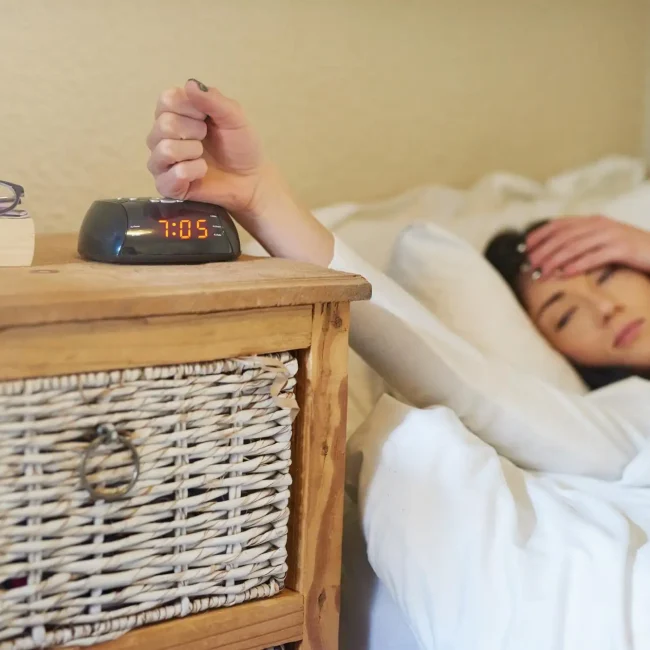
You know that feeling of dragging yourself out of bed already tired, even after a full eight hours?
It’s not always stress or a bad day catching up with you. Sometimes the real problem is right underneath you.
Here are the clearest signs you need a new mattress and what to do once you spot them.
Key Takeaways
- Waking up with pain, stiffness or noticing sagging and lumps are the strongest signs you need a new mattress.
- Age matters, but comfort and support matter more. A mattress can fail before or after the typical 7 to 10 year mark.
- Sleeping better on other beds, allergy flare-ups and constant tossing and turning often point back to an old mattress.
- Once you notice two or more of these signs together, it’s usually time to start looking at replacement options rather than waiting it out.

Your Body Is Telling You Something
Before you blame your pillow, your posture or that extra cup of coffee, take a moment to check your mattress.
Most people don’t think about their mattress until something feels off. But your body tends to notice long before your mind connects the dots.
If you’ve been feeling stiff, restless or just not quite rested, these seven signs you need a new mattress are worth paying attention to.
1. You Wake Up With Aches That Fade During the Day
This is one of the biggest giveaways. If your back, hips or shoulders feel stiff the moment you get up, but the discomfort eases as you move around, your mattress is likely the source.
A mattress that’s lost its support can no longer hold your spine in a neutral position through the night, which is often where the right coil support makes the difference.
2. You Can See Sagging, Lumps or Body Impressions
Run your hand across the surface or look at it from the side. Visible dips, lumps or deep impressions where you usually sleep mean the internal materials have broken down.
This isn’t just a cosmetic issue. It changes how your weight is distributed and can create pressure points that disrupt your sleep.
3. You Sleep Better Everywhere Else
Ever notice you sleep more soundly on a hotel bed, at a friend’s house or even on the sofa? That’s a strong clue.
If your own bed consistently disappoints compared to almost anywhere else, it’s rarely a coincidence.
4. You Toss and Turn All Night
Constant repositioning is often your body trying to find a comfortable spot that no longer exists on a worn-out mattress.
If you’re waking up more tired than when you went to bed, disrupted sleep cycles could be to blame.
5. It’s Making Noise
Creaks, squeaks or popping sounds every time you shift position usually point to worn-out springs or a failing support structure.
A quiet mattress shouldn’t announce every move you make.
6. Your Allergies Have Gotten Worse
Older mattresses can accumulate dust mites and allergens over the years, especially without a protector.
If you’ve noticed more sneezing, congestion or skin irritation at night, your mattress may be part of the problem.
7. It’s Simply Old
Most mattresses are designed to perform well for around 7 to 10 years, though this can vary depending on the materials, usage and how well it’s been cared for.
If yours is approaching or past that range and you’re noticing any of the signs above, it’s a reasonable time to start looking at replacements.

When Two Signs Mean Action
Spotting one of these signs occasionally doesn’t necessarily mean you need to replace your mattress right away.
But when two or three of these signs you need a new mattress start showing up together, that’s usually when the discomfort stops being occasional and starts becoming your new normal.
| Situation | What It Usually Means |
|---|---|
| One mild sign, mattress is fairly new | Monitor it, consider a topper or protector |
| Two or more signs, mattress is 5+ years old | Start researching replacement options |
| Visible sagging plus daily pain | Time to replace, support has likely failed |
Materials Wear Differently
How a mattress wears out often depends on what it’s made of and how it’s used, and knowing which mattress type suits you from the outset can save a lot of trial and error.
Innerspring mattresses tend to show their age through noise and sagging coils. Memory foam mattresses often develop body impressions and can lose their contouring ability over time.
Hybrid mattresses may show a mix of both, while heavier sleepers or couples sharing a bed often notice wear happening faster, particularly around the edges and centre.
Side sleepers may feel the effects of a worn mattress sooner too, since shoulder and hip pressure points are usually the first to suffer once cushioning breaks down.
Finding Your Next Mattress
Once you’ve confirmed it’s time, the next step is figuring out what kind of support actually suits how you sleep.
Pocket spring, memory foam, hybrid and latex mattresses all behave differently, and the right choice usually depends on your sleeping position, body weight and whether you tend to sleep hot or share your bed.
Prices for a good quality mattress can vary quite a bit depending on size, materials and brand, so it helps to have a rough budget in mind before you start comparing options.
Testing a mattress in person for several minutes in your usual sleep position can also tell you far more than reading specifications online.
Ready for Better Sleep?
If several of these signs sound familiar, it might be time to stop pushing through restless nights and start exploring your options.
At V Seng Furniture, our team can help you compare mattress types, talk through your sleep style and find something that actually supports the way you rest.
Drop by one of our showrooms or get in touch with V Seng Furniture to take the first step towards waking up without the aches.