You finally settle into bed after a long day, but within an hour you’re awake again, sticky and uncomfortable, flipping your pillow to find the cool side that no longer exists.
Malaysia’s tropical climate doesn’t just affect your daytime comfort. It follows you into the bedroom, turning what should be restful sleep into a sweaty, restless struggle. The wrong mattress traps heat and moisture, leaving you tired and irritable every morning.
Choosing the best mattress for humid climate conditions isn’t about picking the most expensive option or the latest trend. It’s about understanding which materials, construction methods and features actually work in our year-round heat and humidity.
This guide explains exactly what to look for so you can sleep comfortably through every Malaysian night.
Key Takeaways
- Breathable materials like natural latex and innerspring systems offer superior airflow compared to dense memory foam in humid climates
- Moisture-wicking covers and ventilation channels prevent heat and sweat buildup during tropical nights
- Mattress height and edge construction affect air circulation and long-term durability in high-humidity environments
- Regular maintenance including rotation and protective covers extends mattress lifespan in Malaysia’s climate
Why Your Current Mattress Makes You Sweat
Most mattresses sold globally are designed for temperate climates with distinct seasons and lower humidity levels.
When you bring those same designs into Malaysia’s constant heat and 70-90% humidity, problems emerge quickly. Dense foam layers that feel luxurious in air-conditioned showrooms become heat traps at night, especially if you don’t run the air conditioning constantly.
Your body releases heat and moisture while you sleep. In a humid environment, that moisture has nowhere to go if your mattress doesn’t allow proper ventilation. The result is a damp, warm sleeping surface that disrupts your sleep cycle and can eventually lead to mold or mildew inside the mattress layers.
Understanding this fundamental mismatch between standard mattress design and tropical conditions is the first step toward choosing better.
Materials That Actually Breathe in Tropical Heat
Not all mattress materials perform equally when temperatures stay high and humidity never drops, and research on mattress temperature regulation backs this up.
Natural Latex
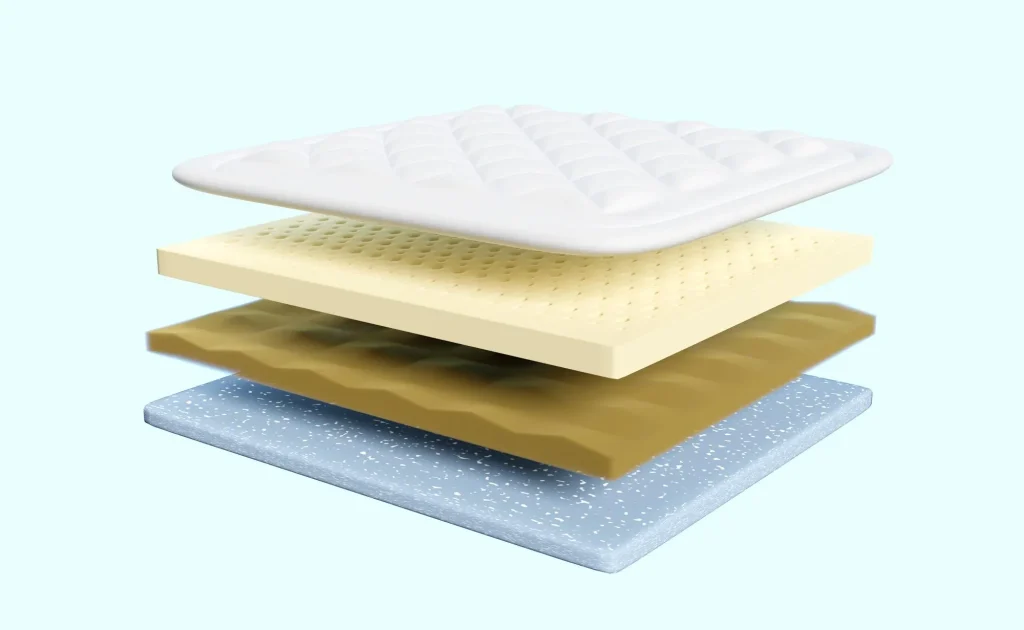
Natural latex stands out as one of the best mattress materials for humid climate conditions, which is why it’s worth exploring a latex upgrade if your current mattress runs hot. The open-cell structure allows air to move freely through the material, preventing heat buildup.
Latex naturally resists dust mites and mold, both of which thrive in Malaysian humidity. The material stays resilient without softening or breaking down when exposed to constant moisture in the air.
Quality latex mattresses often include ventilation holes throughout the core, further improving airflow and temperature regulation.
Innerspring and Pocketed Coil Systems
Traditional innerspring mattresses offer excellent ventilation because of the open space between coils. Air circulates freely through the mattress core, carrying away body heat and moisture.
Modern pocketed coil systems provide this same breathability while adding better motion isolation and targeted support. The fabric pockets allow each coil to move independently while maintaining airflow channels throughout the mattress.
Hybrid Constructions
Hybrid mattresses combine breathable coil bases with comfort layers designed for tropical climates. The key is ensuring those top layers don’t trap heat.
Look for hybrids that use latex, gel-infused foam or specially designed cooling foams in the comfort layers rather than dense traditional memory foam. The coil base handles ventilation while the top layers provide comfort without excessive heat retention.
What to Avoid
Dense memory foam mattresses without cooling technology trap heat and moisture. While they offer excellent pressure relief, they’re poorly suited to Malaysia’s climate unless you keep your bedroom very cool at all times.
Similarly, mattresses with thick, non-breathable covers or multiple dense foam layers create barriers to airflow that lead to uncomfortable, sweaty nights.
The Features That Keep You Cool All Night
Beyond core materials, specific design features make a significant difference in how mattresses handle heat.
Ventilation Channels and Air Holes
Quality mattresses designed for warm climates include deliberate ventilation features. Channels cut into foam layers or holes throughout latex cores create pathways for air movement.
These aren’t just marketing features. They genuinely improve heat dissipation by allowing warm air to escape and cooler air to circulate through the mattress structure.
Moisture-Wicking Covers
The mattress cover is your first line of defence against sweat and humidity. Covers made from moisture-wicking fabrics actively pull moisture away from your body and allow it to evaporate.
Look for covers that specifically mention moisture management, cooling properties or breathable construction. Natural fibres like cotton and bamboo-derived fabrics generally perform better than synthetic materials in humid conditions.
Edge Support Design
Reinforced edges do more than prevent sagging when you sit on the mattress side. They also maintain the mattress structure in high humidity, preventing the entire mattress from compressing unevenly as materials absorb moisture from the air.
Proper edge support ensures consistent airflow throughout the mattress life, even as the core materials age.
Firmness Levels for Hot Sleepers
Firmness affects more than comfort. It also influences how much of your body surface contacts the mattress, which directly impacts heat retention.
Softer mattresses allow you to sink deeper, increasing contact area and reducing air circulation around your body. Firmer surfaces keep more of your body elevated, allowing air to flow beneath you.
For hot sleepers in humid climates, medium-firm to firm mattresses generally sleep cooler than very soft options, offering the support that eases joint pain without trapping heat. You get adequate support while maintaining better airflow and reducing the feeling of being enveloped by the mattress.
However, firmness preference remains personal. If you need a softer surface for pressure relief, prioritise breathable materials and cooling features rather than compromising on the support level your body needs.
Mattress Height and Its Role in Ventilation
Thicker mattresses aren’t automatically better, especially in tropical climates.
Very thick mattresses with multiple foam layers can trap more heat simply because there’s more material between you and the breathable base layer. The added height also means more material that can potentially absorb humidity from the air.
Mattresses in the 20-28cm range often provide the best balance. They offer sufficient comfort and support layers while maintaining good ventilation throughout the structure.
If you prefer a higher bed, consider achieving that height with a breathable bed base or foundation rather than an excessively thick mattress.
Protecting Your Investment in Humid Conditions
Even the best mattress for humid climate needs proper care to maintain performance, which is part of why investing in quality pays off.
Use Breathable Protectors
Waterproof mattress protectors prevent spills and stains, but many create a non-breathable barrier that traps heat and moisture. Choose protectors specifically designed to be both waterproof and breathable, allowing air circulation while protecting against liquids.
Rotate Regularly
Rotating your mattress every three to six months ensures even wear and prevents moisture from concentrating in one area. This is particularly important in humid climates where any trapped moisture can lead to mould growth.
Allow Air Circulation
Avoid placing your mattress directly on the floor or on a solid platform without ventilation holes. Your mattress needs airflow from all sides, including the bottom, to properly manage moisture.
Slatted bed bases or foundations with gaps between slats provide the ventilation your mattress needs to stay fresh and dry.
Keep Your Room Ventilated
Even the most breathable mattress struggles in a poorly ventilated room. Use fans, open windows when outdoor humidity is lower or run air conditioning periodically to keep bedroom air moving and reduce overall moisture levels.
What About Cooling Technologies?
Many mattresses now advertise cooling gels, phase-change materials or other temperature-regulating technologies.
These features can help, but they work best as supplements to fundamentally breathable construction rather than solutions for poorly ventilated mattresses. A gel-infused memory foam mattress will sleep cooler than standard memory foam, but it still won’t breathe as well as latex or innerspring designs.
If you’re considering a mattress with cooling technology, look for it in combination with breathable base materials and proper ventilation features. The technology should enhance an already well-designed mattress, not compensate for heat-trapping construction.
Testing Before You Commit
Reading specifications helps narrow your options, but nothing replaces actually lying on a mattress to assess how it feels.
When testing mattresses in person, spend at least 10-15 minutes on each option in your usual sleeping position. Pay attention to whether you feel heat building up during that time, though keep in mind that air-conditioned showrooms won’t fully replicate your bedroom conditions.
Ask about trial periods. Reputable retailers often offer sleep trials that let you test the mattress at home for several weeks. This gives you a genuine sense of how the mattress performs in your actual sleeping environment, including your bedroom’s specific temperature and humidity conditions.
If the mattress doesn’t keep you comfortable through Malaysian nights, a trial period lets you exchange it without losing your investment.
Finding the Right Mattress for Your Sleep
Choosing the best mattress for humid climate conditions means prioritising breathability and moisture management, and if your current one is showing signs it needs replacing, now is a good time to look.
Natural latex, quality innerspring systems and well-designed hybrids offer the ventilation you need for comfortable sleep in Malaysia’s heat. Combined with moisture-wicking covers, proper ventilation features and appropriate firmness for your sleeping style, these mattresses help you stay cool and dry all night.
Don’t settle for restless, sweaty nights. The right mattress makes a genuine difference to your sleep quality and daily energy levels.
Visit V Seng Furniture to explore mattress options from trusted brands designed to perform in tropical climates, with expert guidance to help you find the perfect match for your needs.