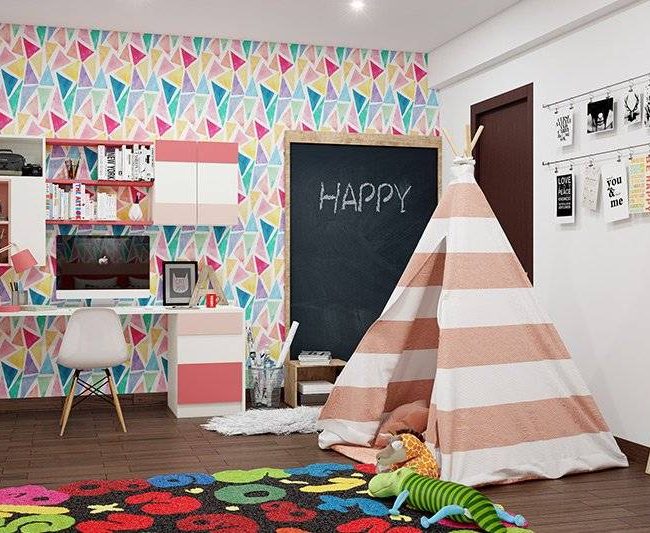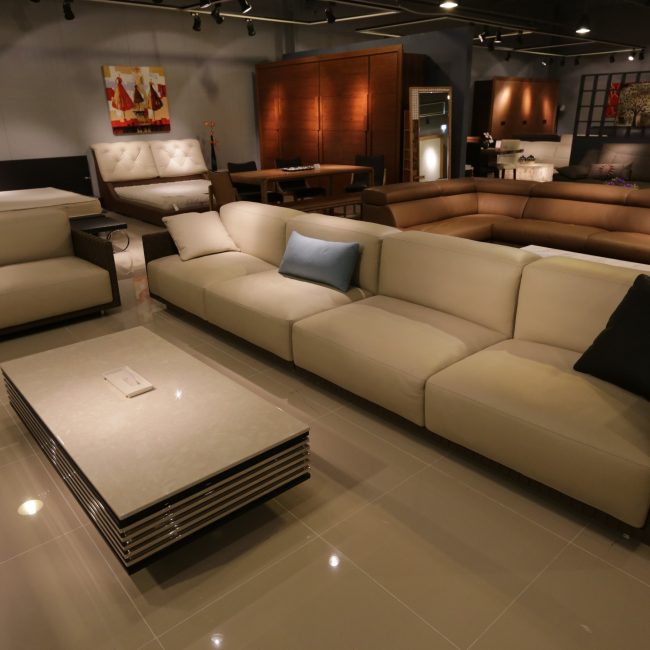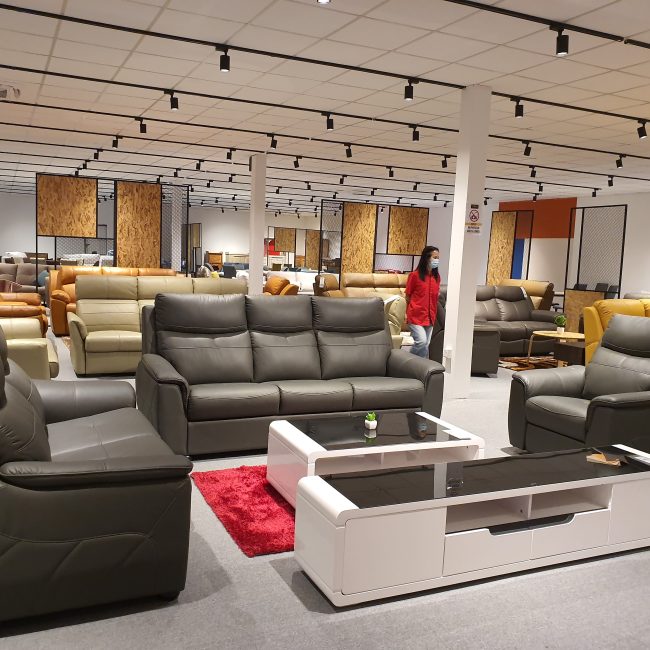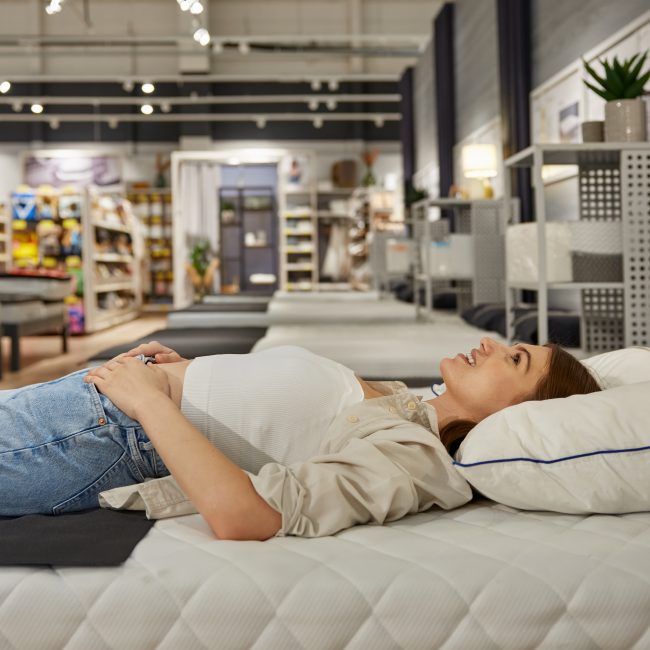
You walk into a furniture showroom with the best intentions: create a beautiful, functional space for your child that will last years, not months.
Then reality hits. Colourful displays promise safety, salespeople throw around terms like “non-toxic” and “child-friendly”, and you’re left wondering what any of it actually means for your home and your child’s wellbeing.
The truth is that furnishing a child’s room in Malaysia requires more than choosing cute designs. Between our humid climate, active children and the sheer volume of misleading marketing, making the right choice demands understanding what safe and durable truly look like in practice.
Key Takeaways
- Safe children’s furniture in Malaysia must account for tropical humidity, rounded edges and non-toxic finishes that won’t degrade in our climate
- Durability means choosing materials like solid wood or quality engineered wood that can withstand daily wear, not just pass initial inspection
- Storage solutions and mattress choices significantly impact both safety and longevity of your child’s room setup
- Proper furniture sizing and layout prevent accidents while allowing the room to adapt as your child grows
Why Most Parents Get Safety Wrong
Safety certifications on labels look reassuring, but many parents don’t realise these standards vary wildly between countries and manufacturers.
In Malaysia’s climate, a finish deemed “non-toxic” in temperate regions might break down differently under constant humidity and heat. The result? Peeling paint, exposed adhesives and surfaces that weren’t designed for our environment.
Sharp corners remain the most overlooked hazard. Furniture that looks smooth in a showroom can have edges that become dangerous when a toddler trips or an older child plays energetically.
The best approach involves physically inspecting every piece. Run your hand along all edges, check that drawers have stops to prevent them pulling out completely, and ensure any tall furniture can be anchored to walls.
What Durable Actually Means for Kids’ Furniture
Durable doesn’t mean indestructible. It means furniture that maintains its structural integrity and safety features through years of normal childhood use.
Solid wood furniture, particularly rubberwood which grows abundantly in Malaysia, offers excellent durability when properly treated. The wood naturally resists warping in humidity better than many alternatives.
Quality engineered wood can also perform well, provided it uses proper edge banding and moisture-resistant adhesives. The key difference lies in how joints are constructed: screws and dowels outlast simple glue joints every time.
Metal frames offer another durable option, especially for bed frames and storage units. Look for powder-coated finishes rather than paint, as these resist chipping and wear significantly better.
Avoid furniture held together primarily with cam locks and pressed fittings. These loosen over time, especially when children climb or lean on pieces.
The Mattress Decision Nobody Warns You About
Your child will spend roughly a third of their life on their mattress, yet many parents treat it as an afterthought to the bed frame.
For children, mattress safety centres on firmness and breathability. Too-soft mattresses pose risks for younger children, while poor ventilation in our humid climate creates conditions for mould and dust mites.
Spring mattresses with proper ventilation channels work well in Malaysian conditions. Natural latex options offer excellent breathability and resistance to allergens, though they command higher prices.
Durability matters more for children’s mattresses than many realise. A mattress that loses support within two years doesn’t just waste money, it can affect developing spines and sleep quality.
Look for mattresses with at least a five-year warranty and removable, washable covers. In Malaysia’s climate, being able to clean and air the cover regularly prevents the buildup of moisture and bacteria that shortens mattress life.
Storage That Survives the Chaos
Children’s storage furniture faces unique challenges: constant opening and closing, items jammed into spaces, and the occasional climbing attempt.
Drawer units need smooth-gliding mechanisms that won’t jam when inevitably overstuffed. Soft-close features aren’t just luxury, they prevent pinched fingers and extend hardware life by reducing impact stress.
Open shelving works better than closed cabinets for younger children. They can see and reach items independently, reducing the temptation to climb or pull furniture forward.
Wardrobes must have sturdy hanging rods properly anchored at both ends. Cheap rods sag or fall, creating hazards and damaging clothing.
Consider storage height carefully. Low storage promotes independence and reduces climbing risks. As children grow, modular systems allow you to add height rather than replacing entire units.
Materials That Handle Malaysian Humidity
Malaysia’s year-round humidity destroys furniture that wasn’t designed for tropical conditions.
Solid hardwoods like rubberwood, acacia and meranti handle moisture well when properly sealed. They expand and contract minimally compared to softer woods or poorly constructed engineered alternatives.
Avoid particleboard furniture for children’s rooms unless it specifically states moisture-resistant properties. Standard particleboard swells and weakens when exposed to humidity, and children’s rooms often face spills and cleaning.
Metal components need proper rust-resistant treatment. Powder coating provides better protection than paint in humid environments.
Fabric elements like upholstered headboards or cushioned seating require careful consideration. Choose materials treated for mould and mildew resistance, or opt for easily removable and washable covers.
Finishes matter as much as base materials. Water-based, low-VOC finishes are safer for children and perform well in humidity when properly applied. Oil-based finishes offer durability but require adequate ventilation during application and curing.
Sizing and Layout for Growing Children
The furniture that works for a five-year-old becomes impractical or unsafe for a teenager, yet replacing entire room sets every few years isn’t realistic for most families.
Single beds offer better longevity than toddler beds, which children outgrow within two to three years. A quality single bed serves from early childhood through teenage years.
Desk height matters more than many parents realise. Adjustable-height desks accommodate growth, but fixed desks should allow feet to rest flat on the floor with elbows at 90 degrees when seated.
Leave adequate clearance around furniture. Cramped layouts increase injury risks when children play or move quickly through spaces. Minimum clearances of 80-100cm for main walkways prevent accidents.
Anchor points for wall-mounting furniture should be planned during room setup. Waiting until furniture arrives often means compromising on safe placement.
The Real Cost of Cheap Furniture
Budget constraints are real, but cheap children’s furniture often costs more in the long run.
Furniture that needs replacing within two years doubles your actual cost while creating waste. The environmental impact aside, constant replacement disrupts your child’s space and your household budget.
Safety risks increase as cheap furniture ages. Joints loosen, finishes degrade and structural integrity weakens faster than quality pieces.
Consider cost per year of use rather than upfront price. A RM1,500 bed that lasts ten years costs RM150 annually. A RM500 bed needing replacement after three years costs RM167 annually, plus the hassle of shopping and disposal.
Quality furniture also maintains resale value. Well-maintained solid wood pieces can be sold or passed to other families, recouping some initial investment.
Ready to Create a Safe, Lasting Space?
Choosing furniture for your child’s room shouldn’t feel overwhelming. With the right knowledge about materials, construction and practical safety features, you can create a space that protects your child while lasting through years of growth and play.
At V Seng Furniture, our bedroom furniture collections include pieces designed for durability and everyday family life. Visit our showrooms in Menjalara, Rawang, Cheras or Seremban to see and feel the quality difference in person.
Our team can guide you through material options, safety features and sizing considerations specific to your child’s needs and your home’s layout. With a five-year warranty on furniture and a 100-night trial on mattresses, you can make decisions with confidence.
Explore our bedroom furniture range or contact us to discuss creating the perfect space for your child.